CapeCodBonsai
Shohin
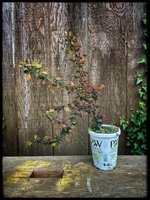
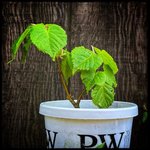
European Beech
(Fagus Salvatica)

Seed Planted: May 6, 2022
Seed Source: Sheffield’s Seeds
(Fagus Salvatica)
Seed Planted: May 6, 2022
Seed Source: Sheffield’s Seeds


So do you fish your seeds out of the moss before you sow them after stratification?I honestly believe the best method (short of a controlled laboratory) would be to mimic nature. If you live in a temperate zone, sowing your seeds that require stratification into a soil mix, outside, in the fall would work the best.
Having said that, I’m not set up to have a bunch of seed pots in an area protected from rabbits, squirrels, rats, field mice, insects, and competing weed seeds. Plants put out a lot of seeds for a reason . . . it’s perilous out there!
For what it’s worth, here is what I do. I have success (although mixed) and it’s convenient for me. I wash my hands first and sometimes even use a little rubbing alcohol, hydrogen peroxide, or even bleach as I scrub up. I soak the seeds for the recommended amount of time. I only use warm/hot water if I’ve read somewhere that it will increase my success rate. My go to source for this information is Sheffield’s Seed’s.
I use zip lock bags and moist sphagnum moss. Although, there are better choices for the environment, it’s convenient and I have success. I’ve read that sphagnum moss has some natural antiseptic properties and that it restricts bacterial growth due to its acidity. I don’t know how truthful that is . . . I just accepted it as fact. I think keeping your seeds too moist without any air flow is a recipe for mold. The pillowy, sponge-like nature of sphagnum moss provides a good balance of moisture and air. A lot of seeds (if not all) require an exchange of gasses in order to change the chemistry inside the seed so that growth can occur.
I soak the Sphagnum in tap water in a large clean mixing bowl. I use warm water (but only because it feels a little nicer to reach your hands into). I wring out the saturated moss pretty thoroughly to where I am only getting a few drips from my clenched fist. I toss the moss wad into a colander suspended over another large mixing bowl so I can separate and “fluff up” the sphagnum before I start filling the zip lock. I place about an inch of wetted moss into the bottom of the baggie. Using my index finger, I pack some sphagnum into each corner so I don’t end up with any air pockets full of seeds that have filtered to the bottom. I don’t like my seeds clumped together (which I believe promotes mold) so, I spread several seeds in a layer and then add another inch of moss. I continue to layer seeds and moss until I get about 3/4 full (+/-) always ending in a top layer of moss. I don’t squeeze the air from the bag (still wanting to maintain a balance of moisture & oxygen).
Pop them into the beer fridge, set some reminders on my phone, go about life, and let the magic happen!
I pull the bags out of cold storage on the date designated by the stratification period . . . or at least I check on them if it’s been awhile since I last peeked. Occasionally, I have to act quickly because I’m surprised by a bag of already growing seedlings. Most times, everything is fine and I will leave them in the fridge until a weekend I can deal with them or until the weather is more conducive.So do you fish your seeds out of the moss before you sow them after stratification?